Explore the Magic and Wisdom of Yawanawá Retreats and their Sacred Plant Medicines
The Yawanawá people are one of the many indigenous tribes of the Brazilian Amazon, deeply connected to their land, plants, and ancestral ceremonies. A Yawanawá retreat offers a unique opportunity to experience their spirituality, healing traditions, and the powerful plant medicines of the rainforest.
In this post, I want to bring you inside a Yawanawá retreat—what it looks like, what you learn, how the medicine works, and why their tradition is so special. I’ll share personal insights from my own time in Acre at Centro Awanawá near the village of Mutum, and also contextualize it with research and knowledge about the Yawanawá people and their history.
What is a Yawanawá Retreat?
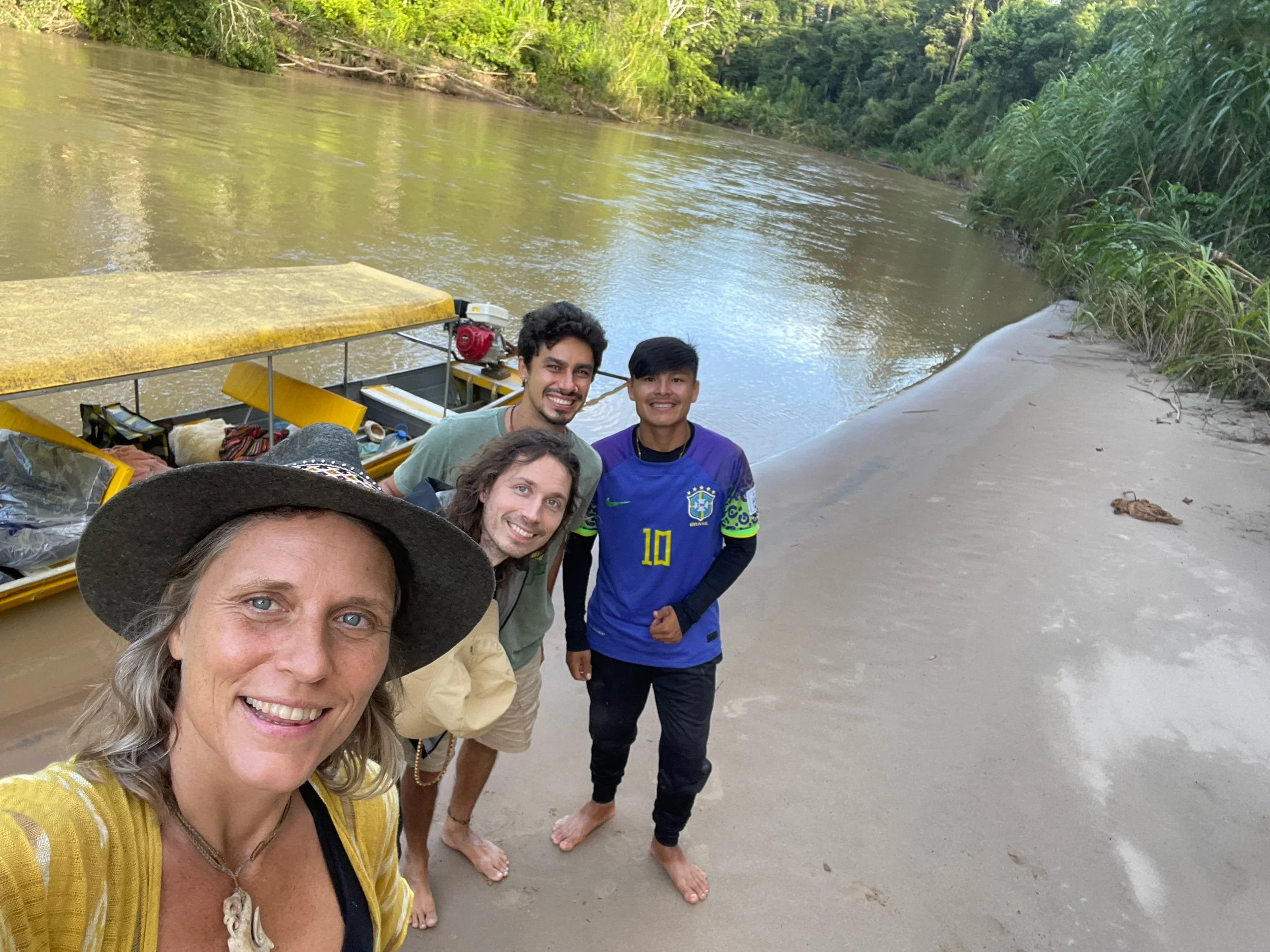
Yawanawá retreats are immersive experiences hosted in the Yawanawá indigenous territory, located in Acre, a state in the western Brazilian Amazon near the border with Peru. These retreats are designed to share the tribe’s sacred traditions, plant medicine ceremonies, and cultural practices with visitors from around the world.
The retreats are centered around the Yawanawá’s deep relationship with their land, plants, and spiritual heritage. They offer a rare chance to learn about their way of life, hear their sacred songs called Saitis, participate in communal ceremonies, and experience the healing power of their plant medicines.
Visitors stay in traditional huts or eco-lodges and take part in daily rituals, workshops, and ceremonies led by respected shamans and teachers like Hushahu, Matsini, and Rasu, who have dedicated their lives to preserving and sharing Yawanawá spirituality.
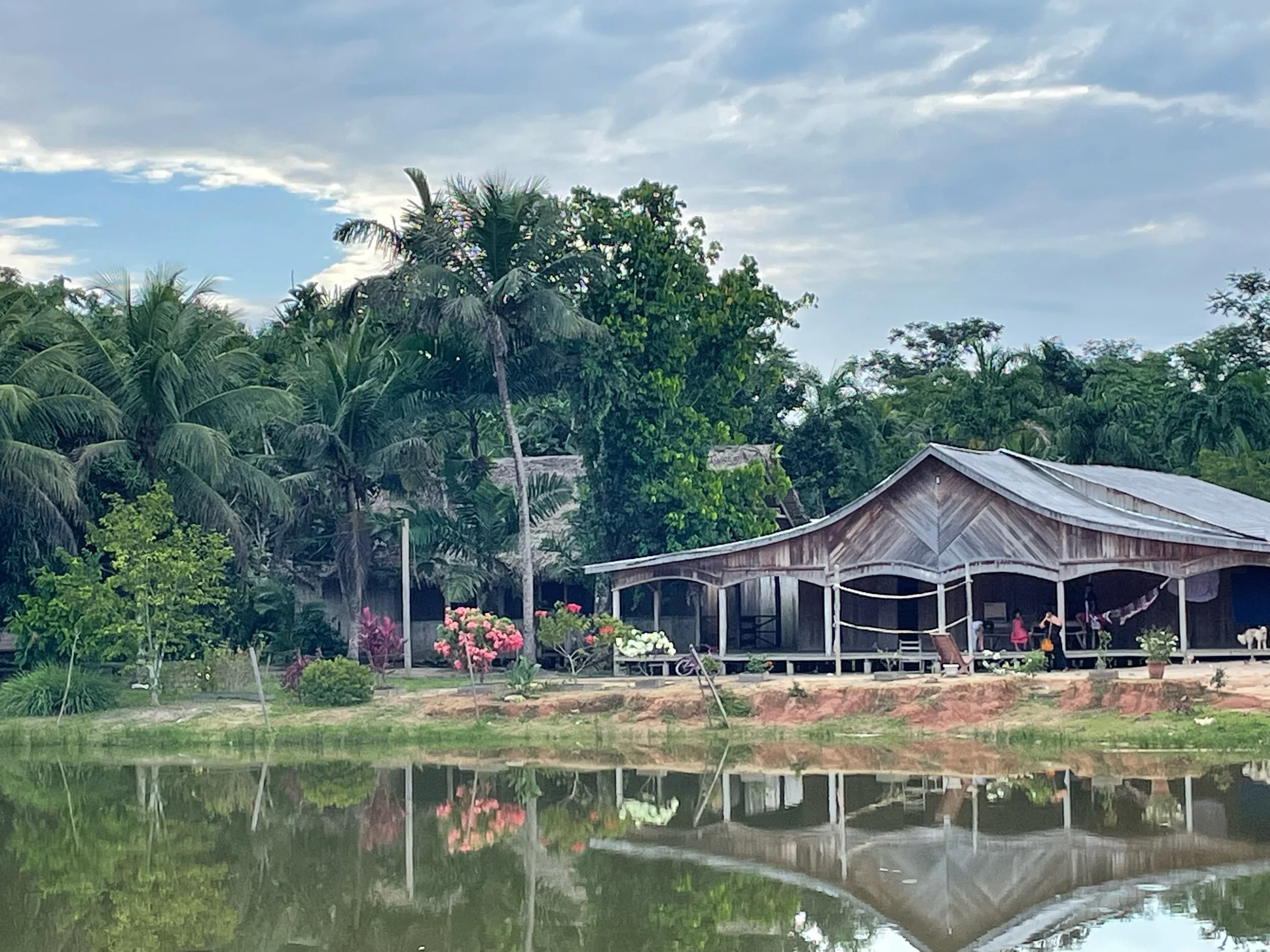
Get a glimpse at Centro Awavãna - the retreat center founded by my teacher Hushahu here:
Who Are the Yawanawá?
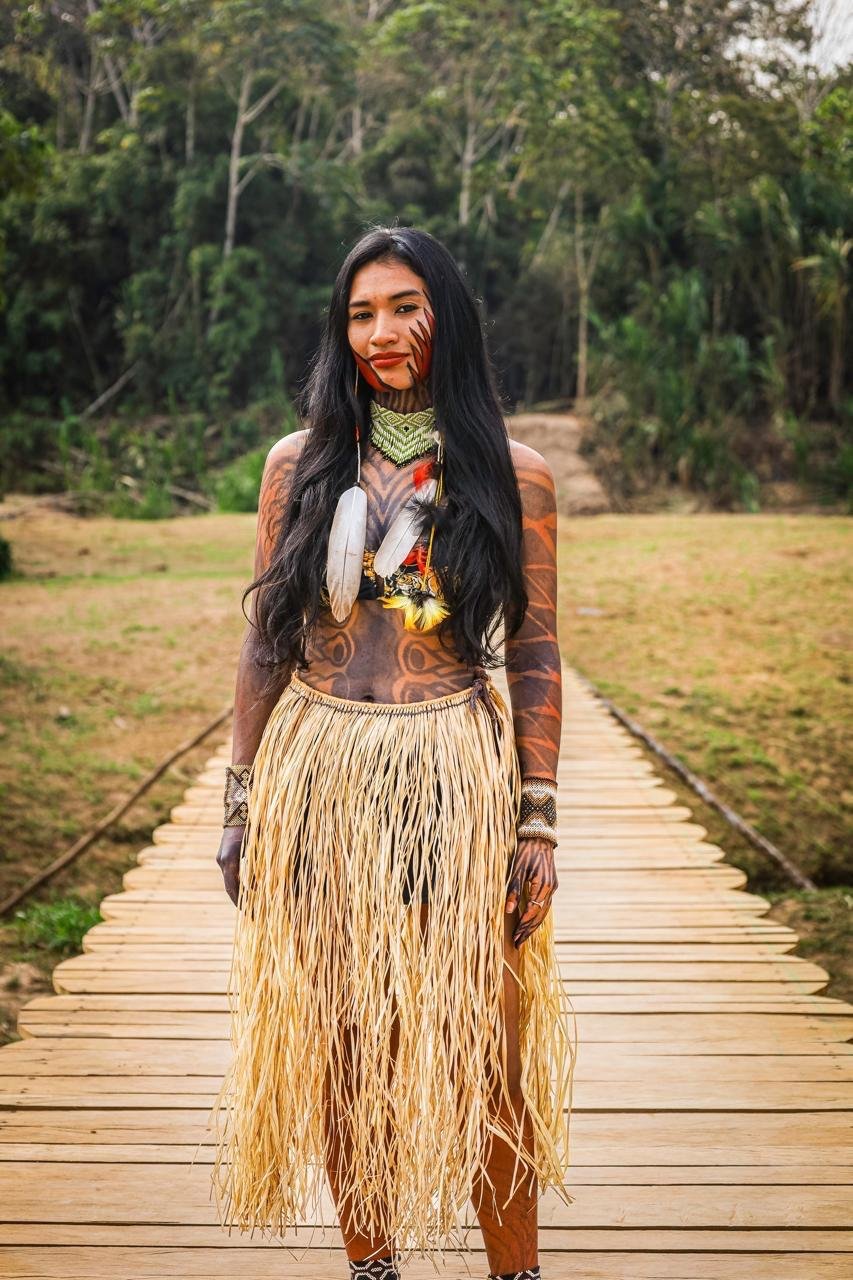
The Yawanawá are an indigenous people of the Amazon rainforest, primarily living in Acre state, Brazil. Their population is estimated around 2,500 individuals today, a resilient community that almost faced extinction in the 20th century due to diseases, deforestation, and displacement. At one point, their numbers dropped to roughly 90 people.
Thanks to dedicated cultural preservation efforts, the Yawanawá have regained strength and vitality in recent decades. Today, they actively teach and share their traditions through retreats, cultural centers, and environmental stewardship programs.
The word “Yawanawá” means “people of the canoe” in their language, reflecting their deep connection to the rivers that nourish and shape their territory. Their culture is inseparable from the natural world, and every aspect of their life honors the forest, plants, and spirits that sustain them.
What Happens During a Yawanawá Retreat?
Arrival and First Impressions
When you arrive at Centro Awanawá, the first thing you notice is the feeling of coming home. The retreat center is nestled in the lush Amazon, surrounded by towering trees, colorful birds, and the hum of life. The space is simple but sacred—constructed with respect for the environment and infused with the presence of the ancestors.
You are welcomed into the community not as a visitor but as family. The elders, including the Pajes (shamans) like Hushahu, Matsini, and Rasu, hold the space with a mix of joy, seriousness, and humility.
The Seven-Day Cultural Immersion
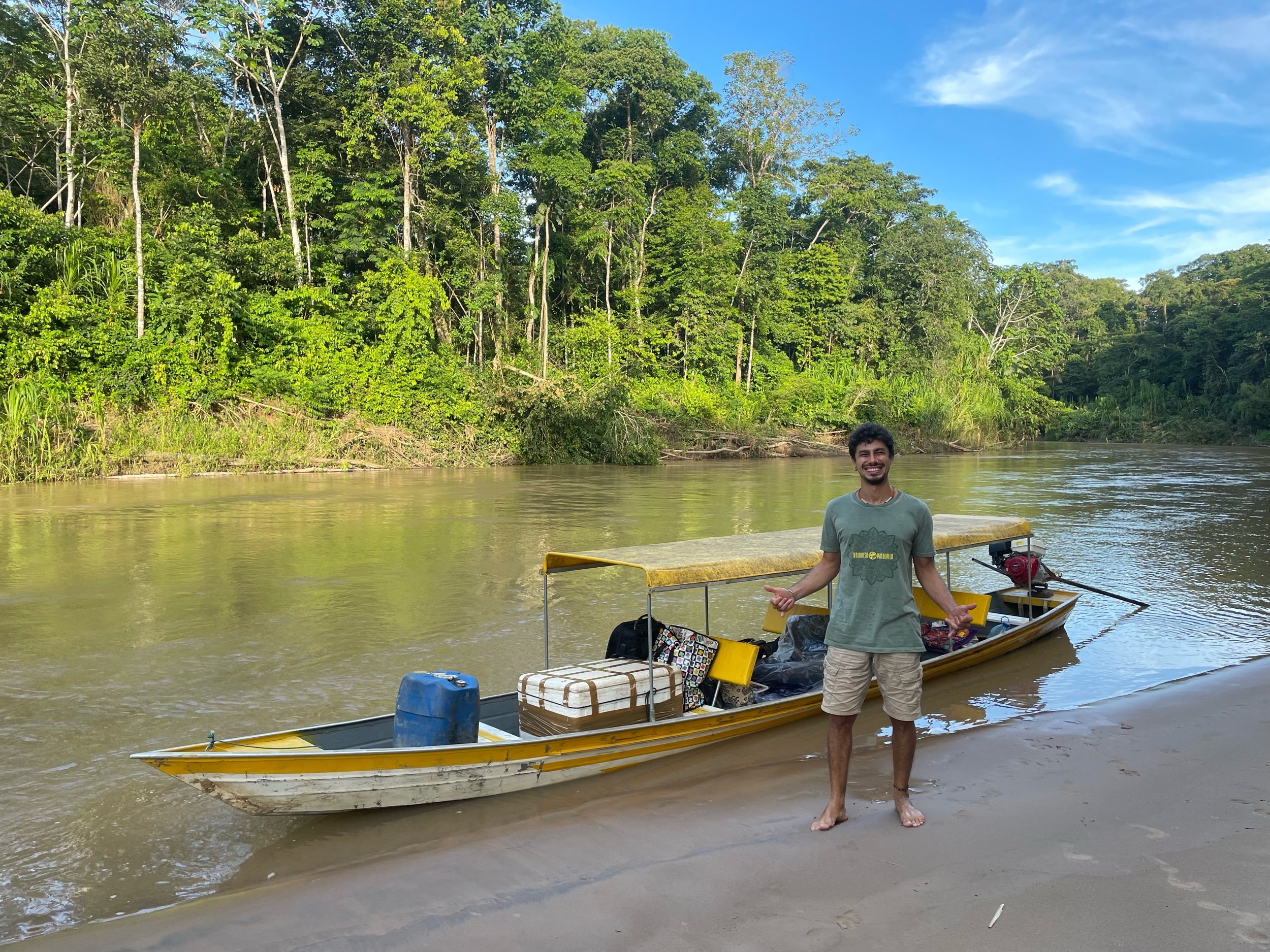
The retreat usually begins with a week-long immersion. These first days are a gentle initiation, full of learning and sharing. We listen to the Yawanawá’s creation stories, which tell how spirits shaped the forest and taught their people to live in harmony with the land.
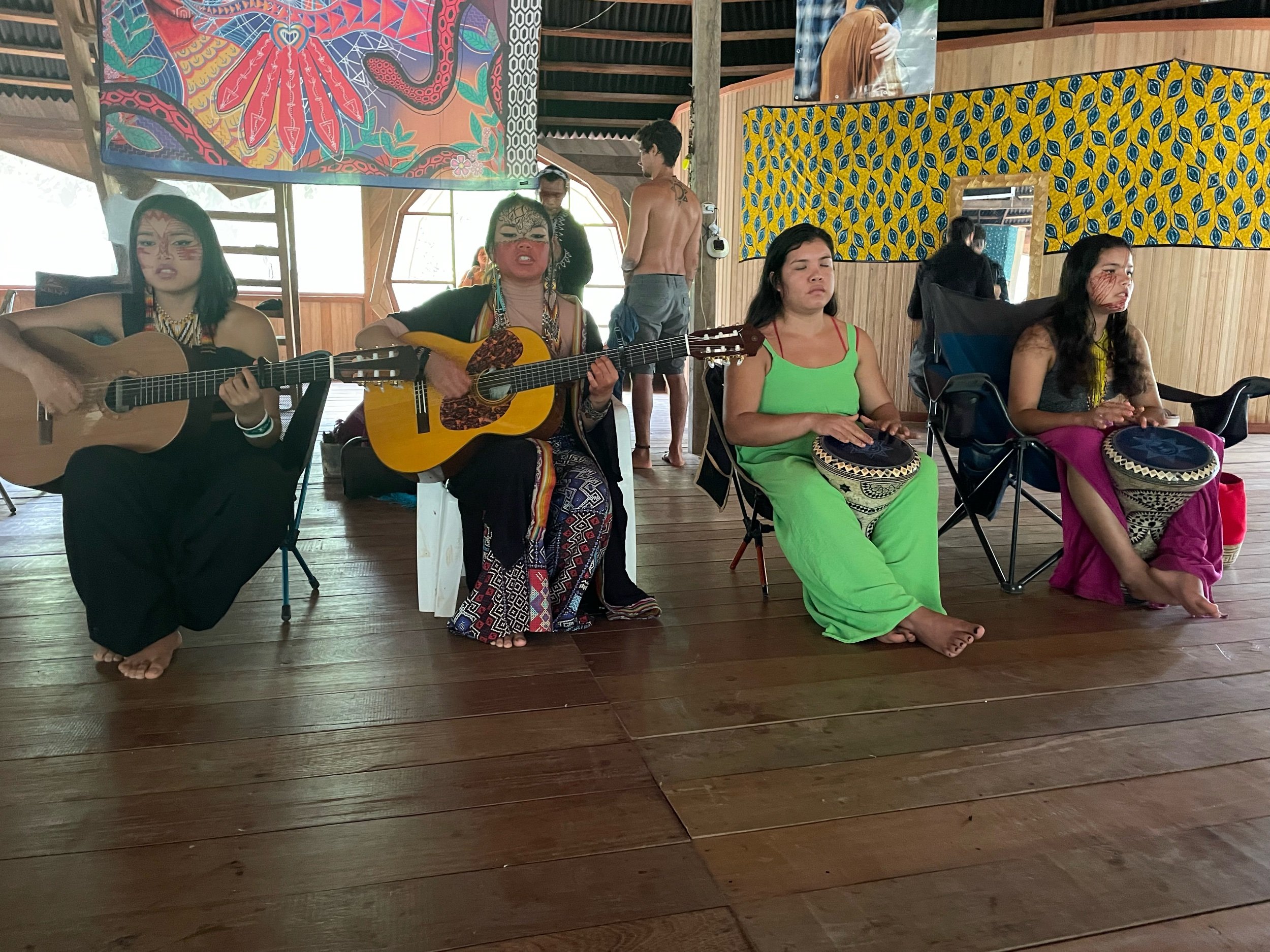
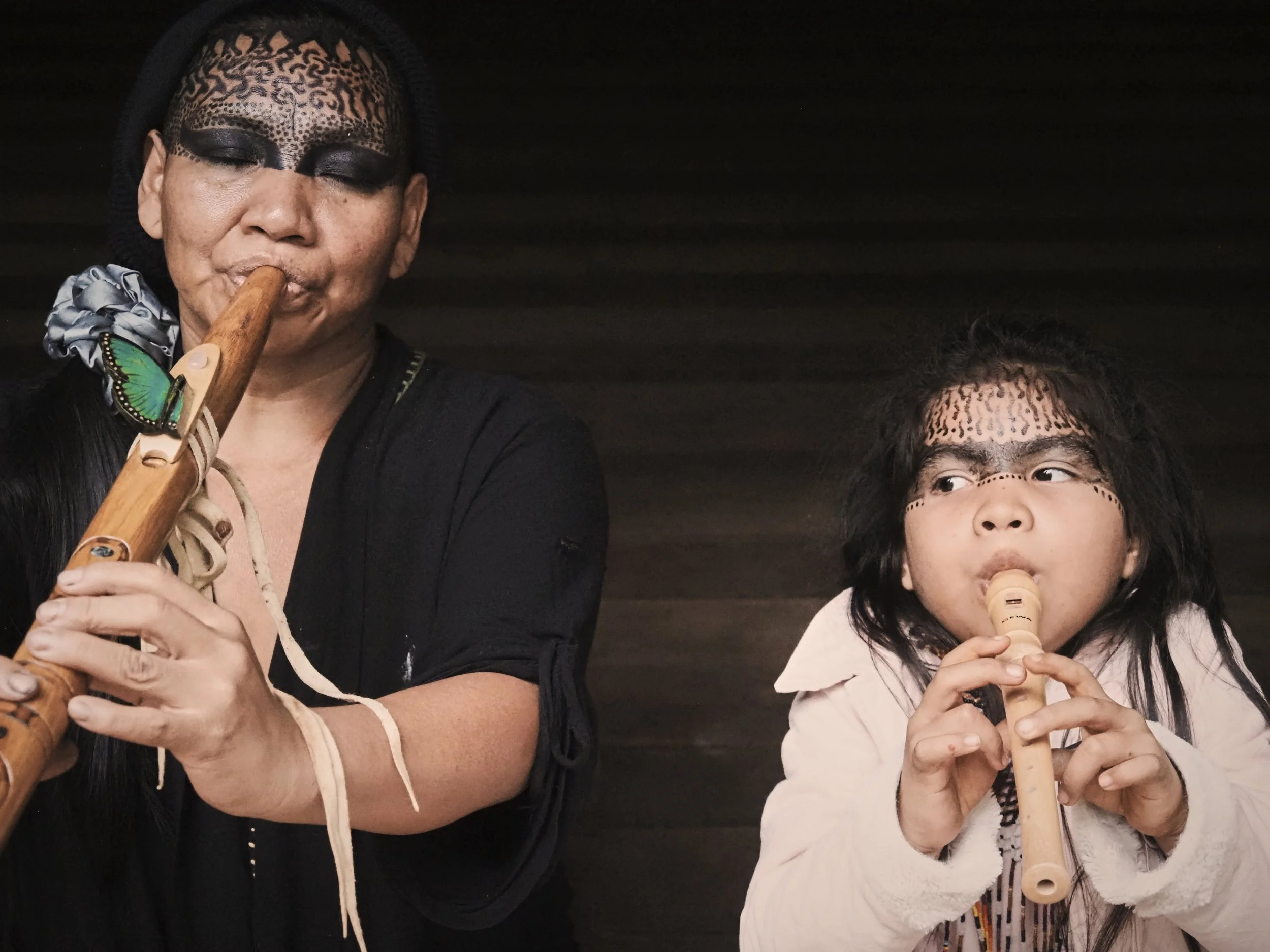
During this time, we join ceremonies where up to 30 people from the tribe come to sing, dance, and pray. The songs, known as Saitis, are powerful spiritual prayers that connect the tribe to the forest spirits and ancestors. Learning these songs is an honor and a challenge, and I had the privilege of studying them with Hushahu.
We also participate in cleansing rituals using plants like tobacco, which is considered a sacred medicine, not just a recreational herb. The elders teach us how to respectfully harvest and use medicinal plants, highlighting that every plant has a spirit and purpose.
The 30-Day Seya Dieta: An Inner Journey
After the cultural immersion, many participants choose to enter the Seya dieta—a strict 30-day period of fasting, isolation, and plant medicine ingestion designed to deepen spiritual connection.
The dieta begins with a ceremony where the Paje prays over a cup of Kaisuma, a sacred brew made from a local potato variety. Drinking Kaisuma initiates the process. For the next month, you are to drink only Kaisuma—no water, no food beyond a very limited diet. After the first week, tea is sometimes allowed.
The purpose of the dieta is to go inward, to listen, and to study. It is a time of sacrifice, giving up comforts and distractions to open space for healing and insight. As the days pass, you become more attuned to the subtle messages from the forest, from the plant spirits, and from your own body and soul.
For me, this was both difficult and illuminating. At times I felt dizzy or weak, yet I also experienced moments of clarity and profound peace. Being a facilitator by nature, I struggled with the role reversal of becoming a participant, especially without my usual role of supporting others. This brought up feelings of vulnerability and disempowerment that I had to confront.
The Importance of Community and Ceremony
One of the most moving aspects of the retreat was witnessing how community sustains healing and spirituality. The Yawanawá gatherings are vibrant, joyful, and deeply intentional. Songs and dances are not performances but expressions of gratitude and connection.
The elders’ role is vital. They are keepers of knowledge and guardians of balance. Watching Hushahu sing and teach was like witnessing a bridge between worlds.
Life Inside a Yawanawá Retreat
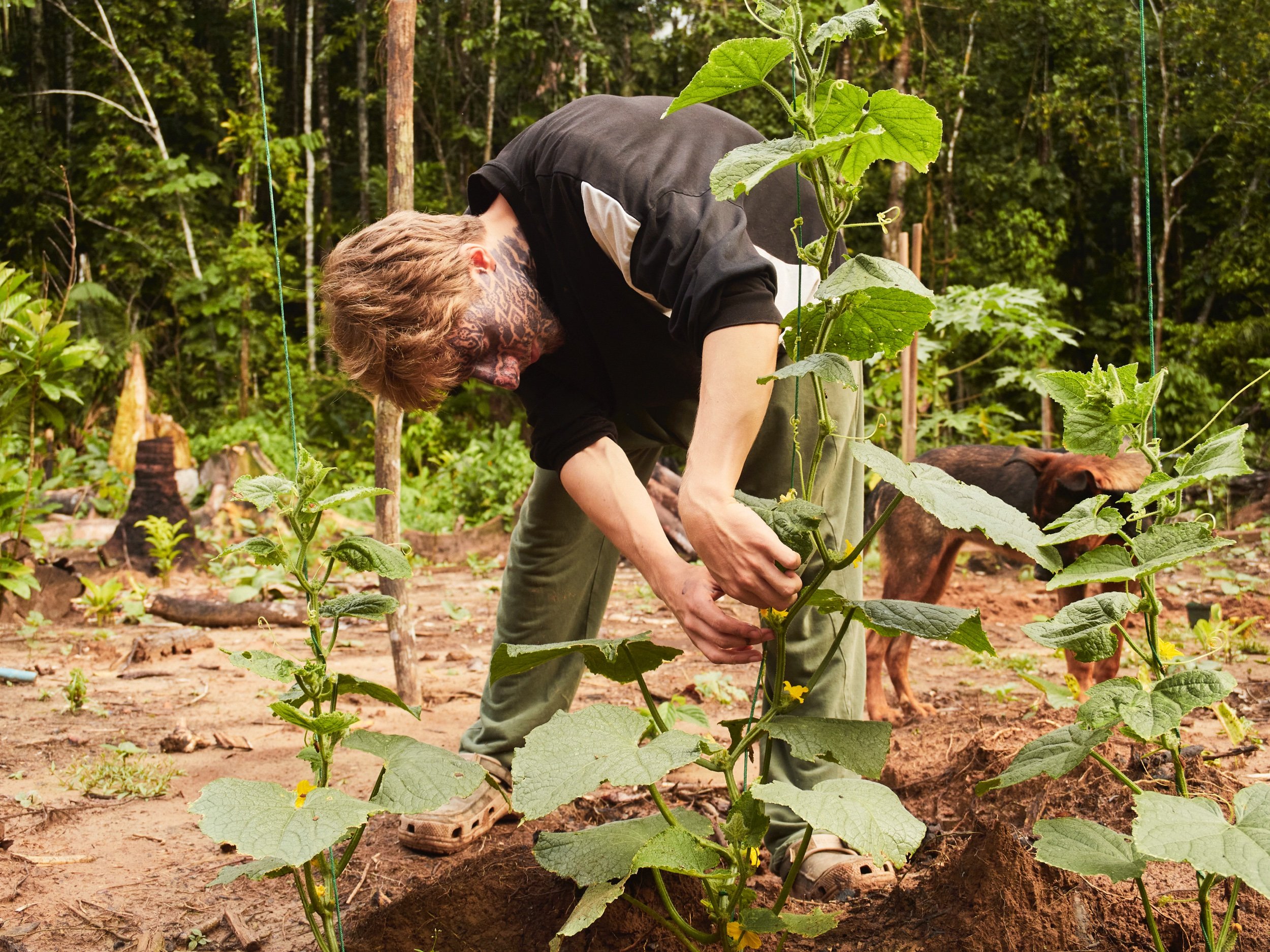
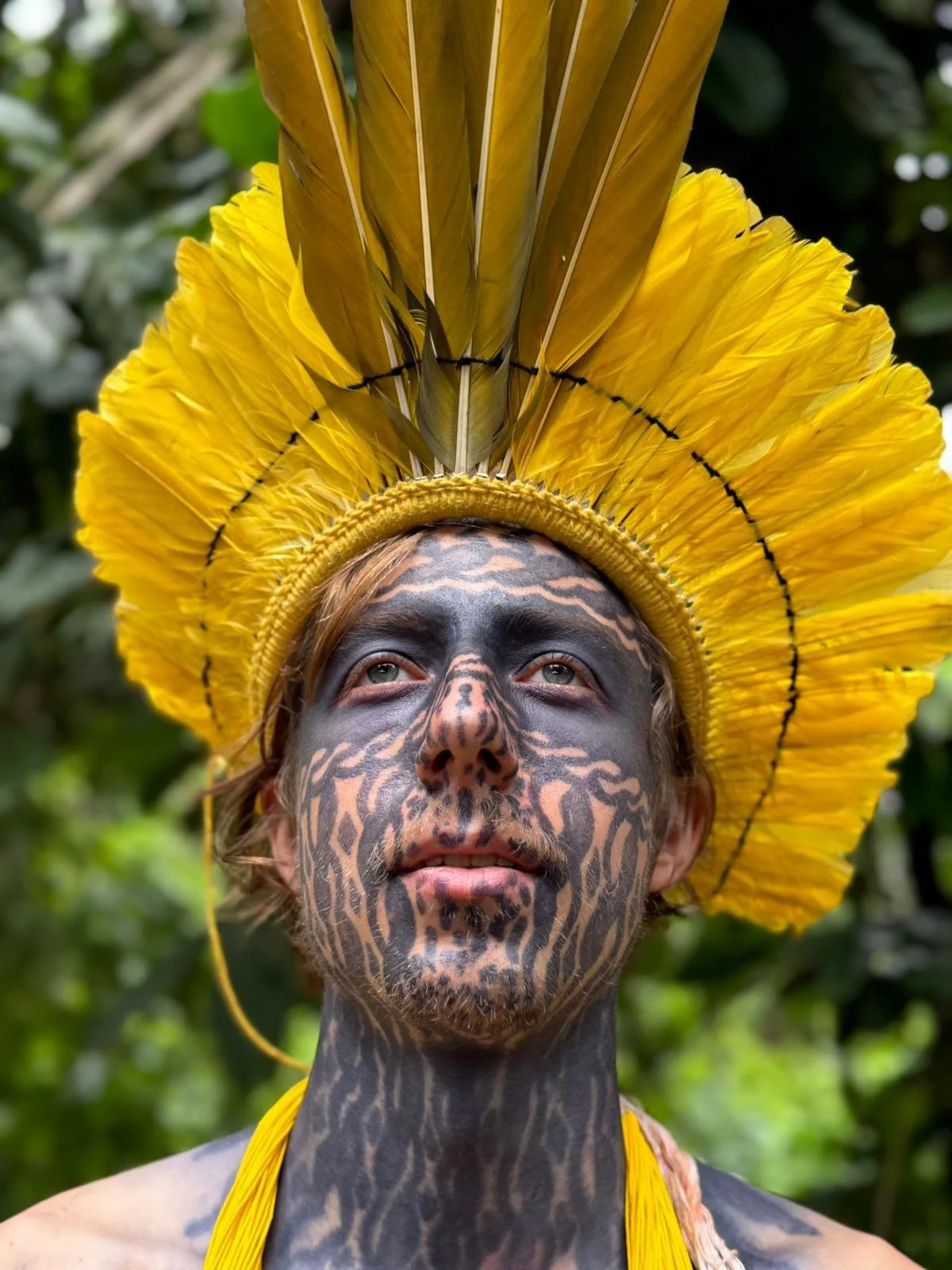
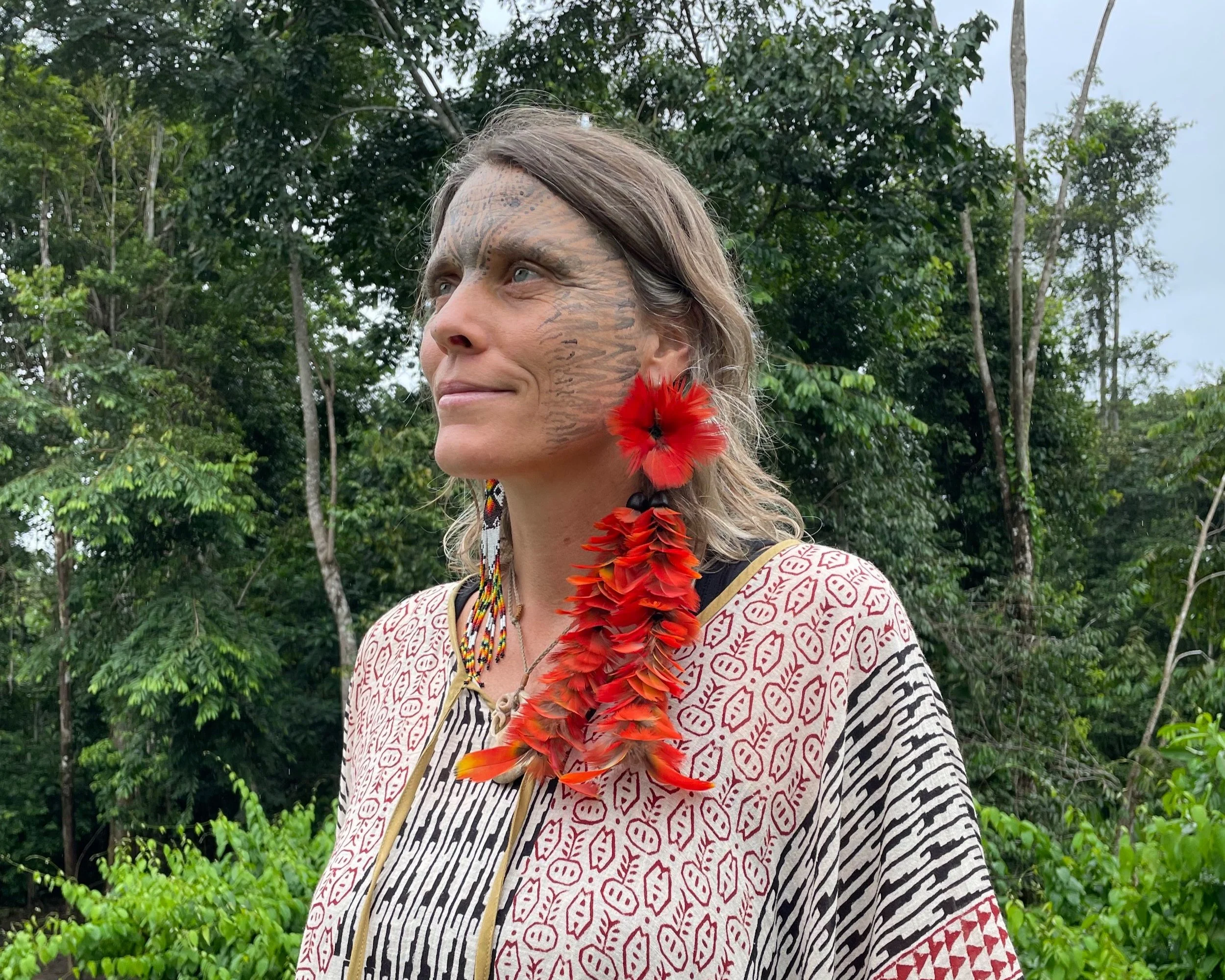
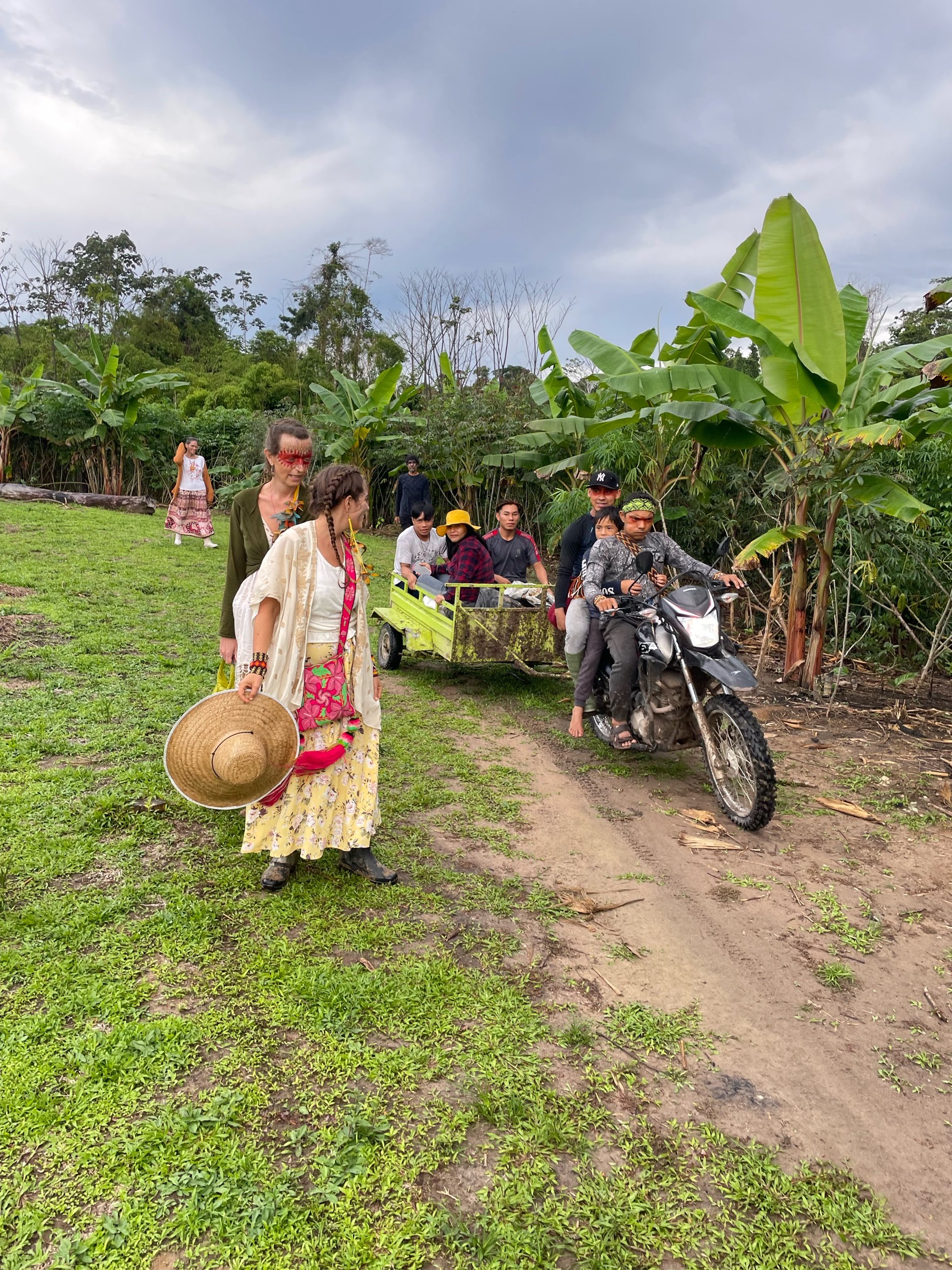
I had the privilege of spending over six weeks living and learning in the Yawanawá territory. My journey began at Centro Awanawá, near Mutum in Acre, where I joined a seven-day retreat to immerse myself in the culture and traditions of the tribe. Being part of this family for even a short time was magical.
The community effort behind these retreats is immense. Sometimes we had up to 30 people from the village supporting the ceremonies by singing, dancing, and holding space for all participants. It felt like stepping into a living, breathing spiritual family where every person contributes to the collective healing.
Life in the retreat is simple but profound. We stayed in huts made of natural materials, surrounded by the vast, sacred forest that offers countless plants used for healing and ceremony. Daily life is deeply connected to the cycles of nature, the sounds of the jungle, and the rhythm of ceremony.
One of the most intense parts of my experience was participating in a 30-day Seya or dieta alongside twenty other people from all over the world. This sacred diet is a deep inward journey guided by strict rules, including limited food intake, abstaining from water except a special sacred drink called Kaisuma, and spending extended time in silence and reflection.
The dieta is a time of sacrifice, study, and connection. The opening ceremony is led by the Paje or shaman who prays into a cup of plant medicine mixed with Kaisuma. After drinking this, the diet begins. It is not easy but incredibly transformative. The first weeks are very restrictive and demand discipline, but the lessons sown during this time often emerge like seedlings later on, growing into profound insights and healing.
How the Yawanawá Work with Plant Medicines
The Yawanawá have an intricate relationship with the plants of the Amazon. Every plant is considered a teacher, a spirit, and a healer. Sacred medicines such as Ayahuasca, Kaisuma, and various plant medicines are used not only for healing but to connect to the spiritual world, ancestors, and the forest itself.
During my stay, I learned about Kaisuma, a sacred drink made from a local variety of potato. It plays a central role in the dieta, helping to purify the body and open pathways for spiritual insights.
Ceremonies often involve singing Saitis, the tribe’s sacred songs that are more than music—they are prayers, teachings, and an energetic connection to the ancestors. Studying these songs and presenting them to teachers like Hushahu was both an honor and a challenge, as it brought up fears around performance and the need to meet the high standards set by the tradition.
What Makes Yawanawá Retreats Special?
Several elements make these retreats unique:
Deep Cultural Immersion: You are not just visiting; you become part of a living community, participating fully in ceremonies, daily life, and teachings.
Authentic Plant Medicine Experience: The medicines are prepared and administered by experienced shamans with generations of knowledge, within the safety of community and tradition.
Sacred Music and Ceremony: The Saitis songs and ceremonial dances create a powerful energetic container that supports healing and transformation.
Connection with the Forest: The retreat is set in the heart of the Amazon rainforest, offering a direct relationship with nature that is fundamental to the healing process.
Healing Through Dieta: The Seya dieta offers a rare and profound inward journey of purification, learning, and spiritual connection.
Insights from My Journey to the Amazon Rainforest
Living in the retreat was not without challenges. I am naturally a solitary person who needs time alone to recharge. Being in a group setting where subgroups form and social dynamics shift was sometimes difficult, and feelings of loneliness surfaced.
I also faced physical challenges. Recovering from a previous bout of Covid, my energy was low. Some ceremonies were hard as I dealt with dizziness, which limited my participation in dance and other activities.
Another struggle was the tension between my role as a facilitator and participant. I usually thrive by supporting others, but in this retreat, I was a learner first, which felt disempowering at times.
Despite these challenges, I am deeply grateful for the experience and the teachings of Hushahu, Matsini, Rasu, and the entire community. I feel this journey is just the beginning of a long process of growth and healing.
Why You Should Consider a Yawanawá Retreat
If you are looking for a retreat that goes beyond surface-level relaxation and dives deep into cultural immersion, plant medicine, and spiritual growth, this is a rare opportunity.
You will learn from real indigenous teachers, live simply in the forest, and experience ceremonies that have survived centuries.
Be prepared for challenge as well as beauty. This is a path that asks for openness, respect, and patience.
Experience the Sacred Teachings of the Yawanawá
If you feel called to experience the sacred teachings of the Yawanawá and their powerful plant medicine traditions firsthand, I warmly invite you to join our upcoming Yawanawá retreat. Step into a transformational journey guided by Hushahu and the loving support of the community.
Learn more and secure your spot for the Yawanawá retreat here →
Frequently Asked Questions About Yawanawá Retreats
What is a Yawanawá retreat?
A Yawanawá retreat is an immersive cultural and spiritual experience hosted by the Yawanawá tribe in the Brazilian Amazon. Visitors participate in traditional ceremonies, plant medicine diets, and learn about the tribe’s culture and spirituality.
How long do Yawanawá retreats usually last?
Retreats can range from a week to over a month. Many include a dieta or Seya, a 30-day sacred diet that involves strict fasting and plant medicine ceremonies.
Who leads the ayahuasca ceremonies?
Ceremonies are led by Yawanawá shamans, called Pajes, such as Hushahu, Matsini, and Rasu. They have been trained since childhood and hold deep ancestral knowledge.
What plant medicines are used?
Ayahuasca is the most well-known, but other medicines like Rapé and Kambo are central in the process.
Is it safe to participate in an Ayahuasca retreat?
When conducted under the guidance of experienced shamans within the community, these ceremonies are deeply respectful and safe. It is important to prepare mentally and physically, fill out the health check beforehand and clarify any concerns or health issues with your guides, especially if you take any medications.
What kind of accommodation can I expect?
Accommodations are simple and eco-friendly, typically traditional huts made from natural materials, immersed in the forest.
Final Reflections
Walking through the Yawanawá territory felt like stepping into a living dream. The rainforest, the ceremonies, the songs, and the people all wove together into a tapestry of healing and wisdom.
The Yawanawá have survived against the odds by nurturing their culture and their land. To witness this is to glimpse the future of humanity—one where respect for the earth and each other is central.
I am forever grateful to Hushahu, Matsini, Rasu, and the entire Yawanawá family for welcoming me and sharing their world.
Muito obrigada. Viva Yawanawá 🐍